
Jongno Boseongsa Site: Location and Historical Significance of the March 1st Movement Declaration of Independence Printing
Located at 55 Ujeongguk-ro, Jongno-gu, Seoul (Gyeonji-dong), the Jongno Boseongsa Site is a historic place where the March 1st Movement Declaration of Independence was printed. Explore the significance of this place, which embodies the nation's will for independence, and feel the breath of history.
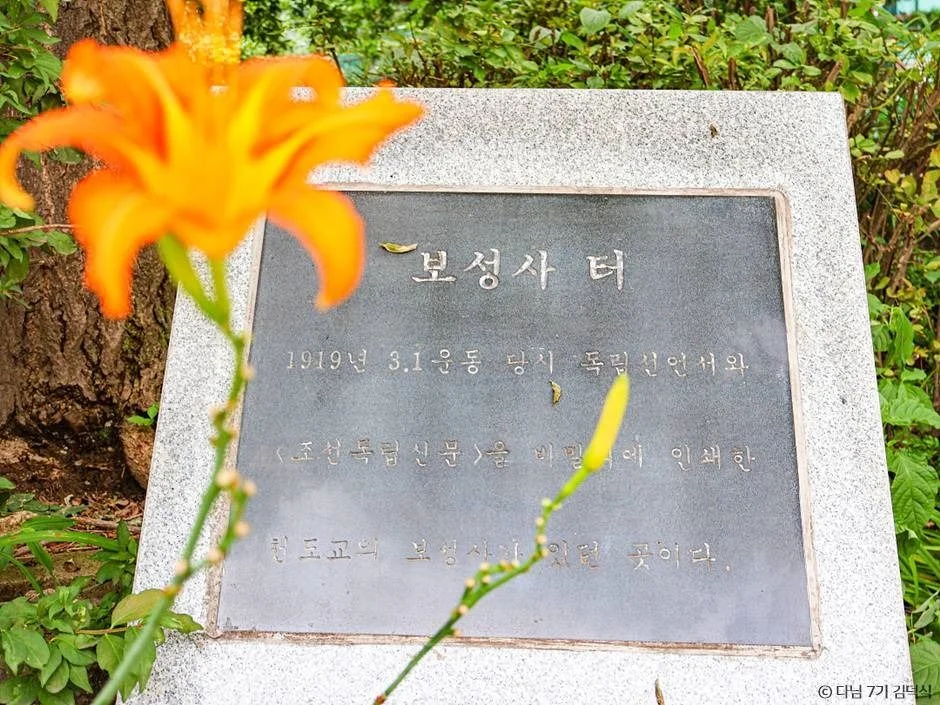
The Boseongsa Site, which ignited the flame of the national independence movement by printing 20,000 copies of the Declaration of Independence during the March 1st Movement in 1919, is located at 55 Ujeongguk-ro, Jongno-gu, Seoul (Gyeonji-dong). Situated within the grounds of Jogyesa Temple, it is a place where the fervent desire for independence was etched into a turbulent history. Visitors can honor the noble spirit of Boseongsa through the monument and statue erected in the neighborhood park across from Jogyesa's back gate.
Beyond being a mere historical site, the Boseongsa Site is a significant space symbolizing our nation's will for independence, serving as a venue for historical education and a meaningful travel destination to reflect on the values of peace and freedom.
| Item | Content |
|---|---|
| Location | 55 Ujeongguk-ro, Jongno-gu, Seoul (Gyeonji-dong) |
| Recommended for | History explorers, educational travelers, those who wish to reflect on the meaning of peace and freedom |
| Things to Note | No admission fee, limited parking (public transport recommended) |
| Also See | Jogyesa Temple, Insa-dong Cultural Street, Tapgol Park |
The Boseongsa Site is particularly suitable for those who wish to deeply understand its historical significance, as well as families traveling with children who want to experience the national spirit. By directly seeing and feeling the intense site of the independence movement, visitors can enhance their historical learning. Before visiting, checking for events at the nearby Jogyesa Temple can ensure a smoother experience.
It's important to note that the Boseongsa Site does not remain in its original building form but is preserved as a site with a monument and statue. Therefore, it's crucial to visit while imagining the vivid scene of the Declaration of Independence being printed. Additionally, as it is located within the Jogyesa Temple grounds, quiet and respectful viewing is recommended.
Jongno Boseongsa Site: Etched with the Desire for Independence
The Boseongsa Site is a historical place that laid the groundwork for the national independence movement by printing 20,000 copies of the Declaration of Independence during the March 1st Movement in 1919. Boseongsa, a printing house affiliated with Cheondoism, had its president Lee Jong-il, factory manager Kim Hong-gyu, and general manager Jang Hyo-geun print the Declaration of Independence – drafted by Yukdang Choi Nam-seon and signed by 33 national representatives – on the night of February 27, 1919. This declaration, disguised as a genealogy book under the surveillance of Japanese detectives, overcame the crisis and was distributed nationwide, becoming the catalyst for the March 1st Movement.
On March 1st, it also played a central role in the independence movement by publishing 10,000 copies of the underground newspaper, the Joseon Independence Newspaper. Currently, the Boseongsa Site is located within the Jogyesa Temple grounds, offering a glimpse into the fierce independence movement of that era. In the neighborhood park across from Jogyesa's back gate, a monument and statue commemorating Boseongsa's historical significance are erected, providing a profound experience for visitors.
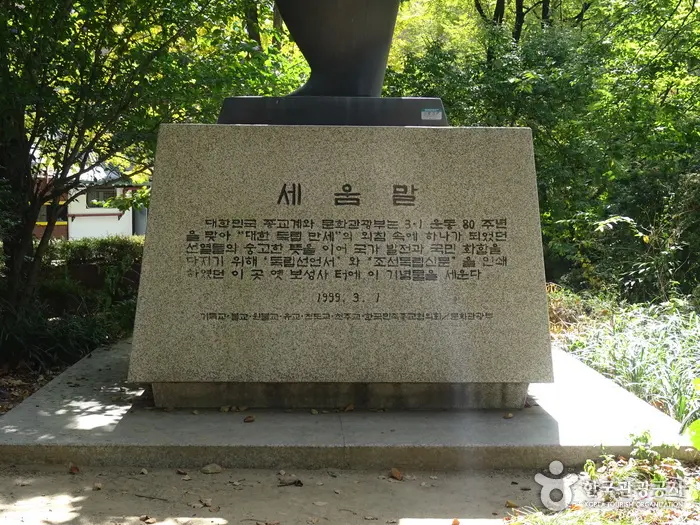
This image shows a panoramic view of the Boseongsa Site monument. The stele is inscribed with the historical significance of Boseongsa and details about the printing of the Declaration of Independence, helping visitors understand the importance of this place at a glance. The surrounding green trees add to the quiet and solemn atmosphere.
Attractions and Walking Routes
When visiting the Boseongsa Site, it's a good idea to plan your route to include a tour of the Jogyesa Temple grounds. Jogyesa is a central temple of Korean Buddhism, boasting beautiful temple buildings and a tranquil atmosphere. The Boseongsa Site is located near Jogyesa's back gate, and the neighborhood park, centered around the monument and statue, is a great place to rest and reflect on the meaning of history.
We recommend a route starting from the Boseongsa Site, then exploring Jogyesa's Daeungjeon Hall and Geuknakjeon Hall, before moving to Insa-dong Cultural Street to browse traditional crafts or relax in a traditional teahouse. Insa-dong is within walking distance of the Boseongsa Site, making it convenient to visit both together.
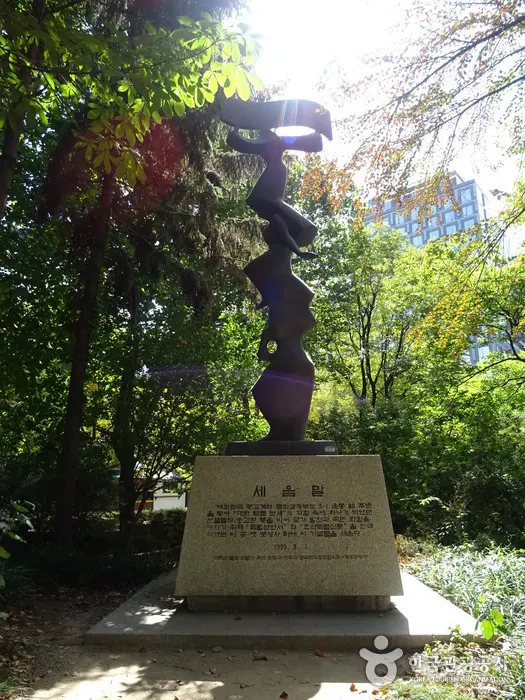
This photo shows the Boseongsa Site monument and the pine trees planted around it. Pine trees symbolize an evergreen spirit, seemingly a metaphor for the unwavering will of the ancestors who strived for independence. Visitors can pause in this space and feel the breath of history.
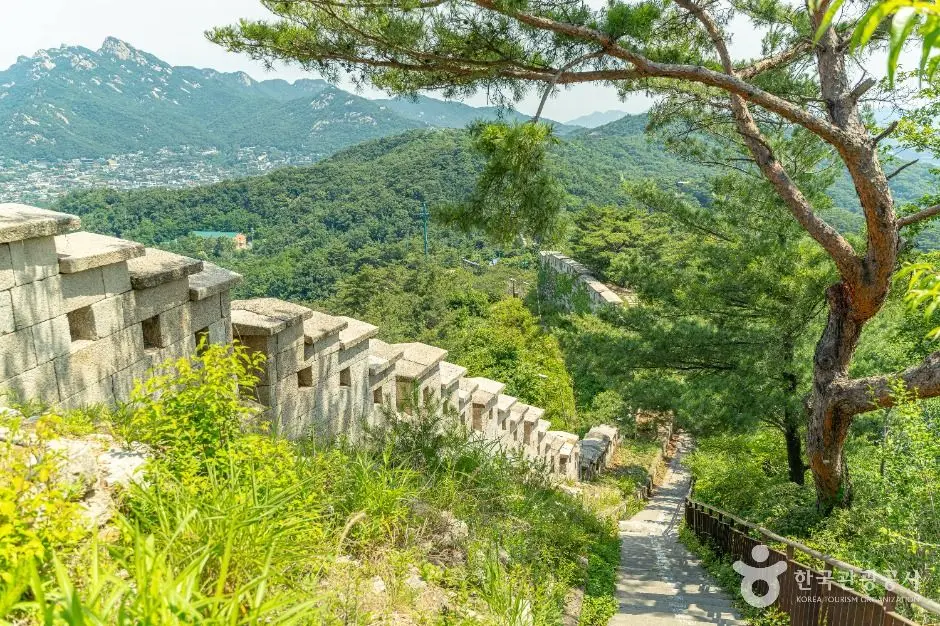
The statue erected next to the monument expresses the firm resolve of the figures who participated in the independence movement. The statue's expression and posture hint at the urgent and solemn situation of the time, evoking deep emotion and reverence in visitors. The area around the statue is neatly maintained, allowing for comfortable viewing.
Seasonal Visiting Tips
The Boseongsa Site is good to visit all year round, but a particularly pleasant experience can be had in spring and autumn. In spring, you can enjoy a vibrant atmosphere with flowers blooming around Jogyesa, while in autumn, the colorful foliage adds depth to the tranquil historical site. In summer, green trees provide shade for a relatively cool walk, and in winter, a snow-covered landscape offers a different kind of beauty.
Morning or late afternoon are relatively quiet times, allowing for a more leisurely visit. Weekends and public holidays can be crowded, so if you wish to savor history in a peaceful atmosphere, consider visiting on a weekday.
This image captures a tranquil scene within the Jogyesa Temple grounds. Jogyesa, adjacent to the Boseongsa Site, offers visitors a peaceful atmosphere with its beautiful traditional architecture and landscaping. The majestic appearance of Daeungjeon Hall in the photo conveys the dignity of Korean Buddhism.
Visitors are seen walking within the Jogyesa Temple grounds. After visiting the Boseongsa Site, you can stroll through Jogyesa and find peace of mind. Especially during the Buddha's Birthday Lotus Lantern Festival, it is adorned with colorful lanterns, offering an even more beautiful sight.
Transportation and Visitor Information
The Boseongsa Site is located at 55 Ujeongguk-ro, Jongno-gu, Seoul, and public transportation is the most convenient way to get there. It is within walking distance from Anguk Station (Subway Line 3) or Jonggak Station (Subway Line 1). Parking space in the vicinity is very limited, so public transport is recommended over private cars. There is no admission fee, and it is open year-round. It is advisable to check the latest information on the Jongno-gu Office Tourism website (tour.jongno.go.kr) before your visit.
The Boseongsa Site is a meaningful place where you can vividly feel our nation's will for independence. We hope you visit this place to remember the noble sacrifices of our ancestors and reflect once again on the preciousness of freedom and peace. Finding nearby accommodation is possible on various online platforms.
This is the entrance to the Boseongsa Site neighborhood park. Neatly arranged paths and information signs welcome visitors, indicating that this is an important historical site. The scenery, harmonizing with the surrounding buildings, allows one to feel the breath of history even within the city.
Image Source: Korea Tourism Organization
Last updated: June 17, 2026. This content was created based on information from the Korea Tourism Organization and public travel resources. Operating hours, fees, and reservation conditions may vary based on on-site and official announcements. Some links may be affiliate links, but the content is organized around the criteria travelers need to compare and choose.
광고