
Free Nightly Media Art: Gwanghwamun's Outdoor Exhibition
Discover the artworks and operational details of Atelier Gwanghwa's second exhibition, lighting up the Sejong Center's exterior wall nightly from July 1 to August 31.
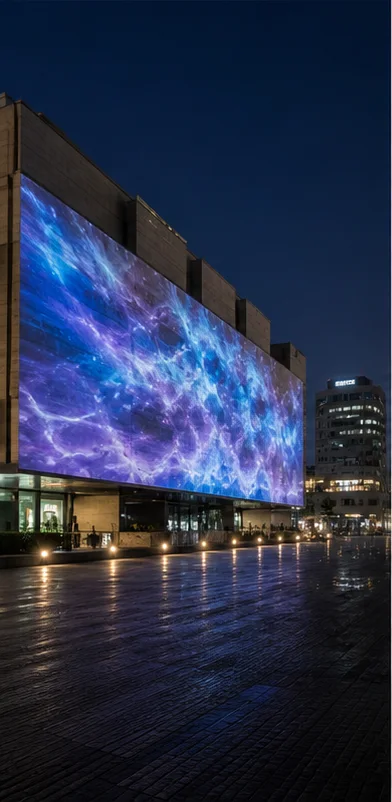
After sunset in Seoul's Gwanghwamun Square, if you look at the exterior wall of the Sejong Center for the Performing Arts, the large surface of the building transforms into a screen displaying blue light and data movements. The Seoul Culture Portal announced that the second exhibition of 2026 Atelier Gwanghwa, <짙어지는 빛: Deepening Light>, began on July 1.
The exhibition runs daily from 7 PM to 11 PM until August 31. This outdoor media facade, which anyone can view for free without a separate admission process, adds a new dimension to the summer night scenery of Gwanghwamun.
Two Artists' Languages Meet on One Wall
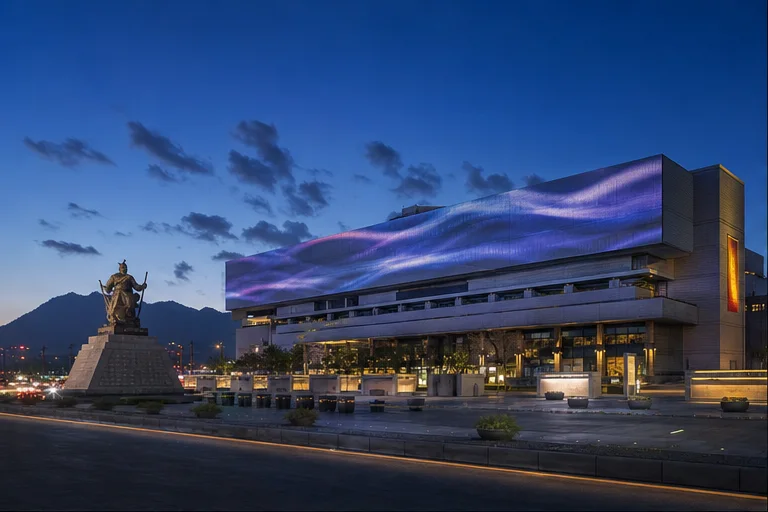
Artists Song Ju-hyung and Cho Young-gak are participating in this exhibition. The official guide from the Seoul Culture Portal explains that Song Ju-hyung's narrative images and Cho Young-gak's data-driven visual language connect while maintaining their distinct textures.
The word 'Deepening' in the exhibition title refers to the experience of light layers becoming clearer as the night deepens, rather than just the screen getting brighter. The rhythm of the city, the pulsation of light, and the superimposition of reality and virtuality are key axes for interpreting the artwork.
The format of using the entire exterior wall differs from a framed artwork. Viewers simultaneously see the proportions of the square, the road, and the building, and the artwork is completed with the urban backdrop of Gwanghwamun.
Four Hours Daily, July Through August
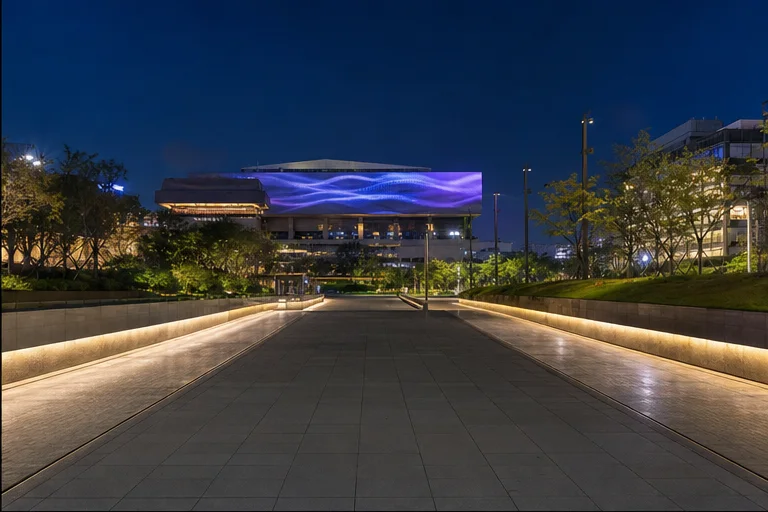
The official schedule is from July 1 to August 31. Operating hours are announced as daily from 7 PM to 11 PM, and no information about specific closing days has been provided.
In summer, as the sun sets later, the surrounding brightness and contrast for the same artwork change depending on the time. Around 7 PM, you can see both the outline of the square and the screen, and as night deepens, the colors and movements on the exterior wall become more prominent.
However, the media facade is an outdoor exhibition. Any potential changes due to weather or on-site operations should be confirmed through official announcements from the operating office. The official inquiry number is 02-6952-4907.
The Screen Between Gwanghwamun Square and Sejong Center
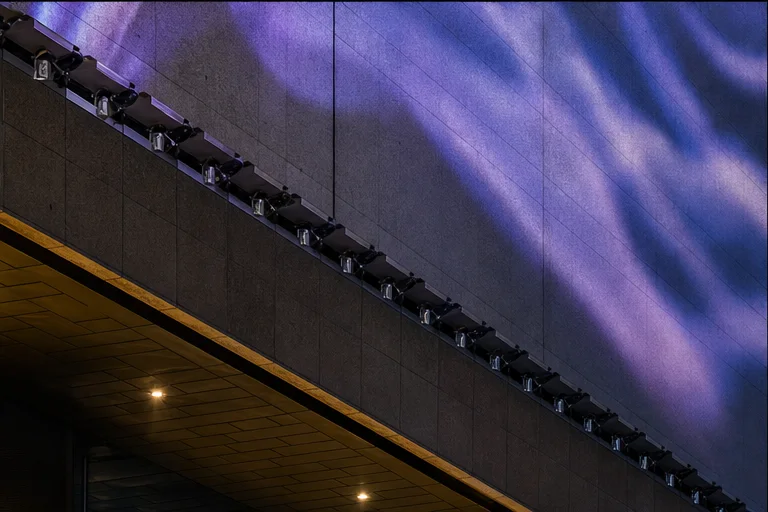
The screening location is the exterior wall of the Sejong Center for the Performing Arts. According to the Seoul Culture Portal's transportation guide, it is approximately 291m from Gwanghwamun Station (Subway Line 5, Exit 1) and approximately 481m from Gyeongbokgung Station (Subway Line 3, Exit 6).
This location allows you to encounter the artwork directly from the square without entering an indoor exhibition hall. It creates a structure where people who briefly view it while passing by and those who stay to watch the screen's changes share the same space.
You can check the operating hours of the performance halls and facilities separately on the official website of the Sejong Center for the Performing Arts. As the media facade exhibition takes place outside the building, it is unrelated to internal performance tickets.
Artwork Information Based on Official Schedule
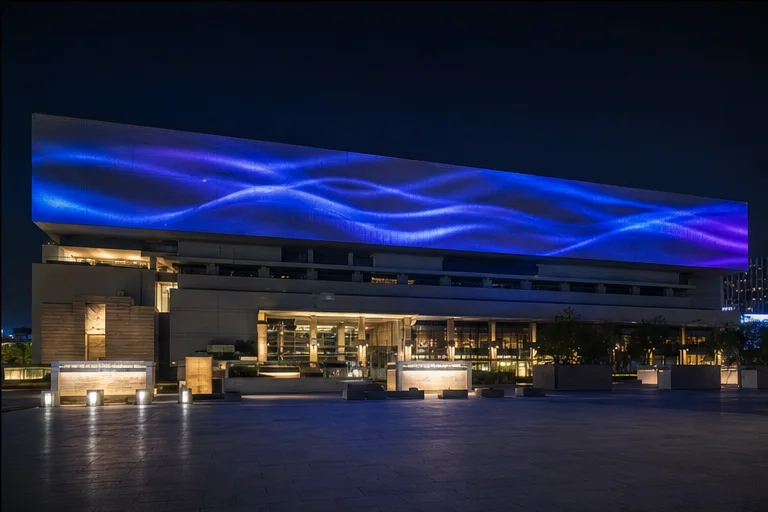
The artwork title, participating artists, period, time, location, and fees were confirmed based on the event information posted on the Seoul Culture Portal. The screen composition may change during operation, so actual screening content will prioritize official on-site announcements.
Atelier Gwanghwa's second exhibition is a project that transforms a colossal exterior wall into a distinct urban screen. Running for four hours daily over two months, it adds nocturnal art scenes to Gwanghwamun's daytime central thoroughfare.
Gwanghwamun Square becomes an open viewing area where the screen's proportions change depending on your walking direction and position. The architectural exterior, city lights, and artwork movements are woven into a single scene, and the two artists' works function as layers of light that make you reinterpret the facade of the Sejong Center for the Performing Arts.
The accessibility of outdoor screenings means encountering art along urban pedestrian routes without separate tickets or seating. Throughout the two months of the exhibition, the square's everyday nightscape and media art overlap daily.
This provides a daily recurring public art schedule for pedestrians passing through Gwanghwamun on summer nights.
The official event page classifies the work as an urban media exhibition in the Gwanghwamun area and specifies the exterior wall of the Sejong Center for the Performing Arts as the screening point. Unlike indoor exhibitions with their opening hours, this method uses the external facade during evening hours, separating performance hall entry and viewing procedures.
The works of the two participating artists originate from different mediums: narrative video and data visualization. Their intersecting composition on a single exterior wall demonstrates the nature of this program, which uses a square-sized screen not as a mere billboard but as a public exhibition surface.
광고